
The European mining industry, once a global powerhouse, has experienced a significant decline in recent decades. With a mere 3% of global mining output compared to 40% at the start of the last century, Europe faces a growing threat from China’s dominance in the battery and rare earth minerals supply chain. The continent’s dependence on China for these critical resources has led to risks such as price volatility, loss of competitiveness, and potential geopolitical manipulation.
The European Union’s reliance on Russian oil and gas, exposed by the full-scale invasion of Ukraine, has prompted policymakers to seek more diverse suppliers and prioritize the revival of the European mining sector. European Commission President Ursula von der Leyen emphasized the importance of this shift, stating that lithium and rare earths will soon surpass oil and gas in significance, with demand for rare earths expected to increase fivefold by 2030.
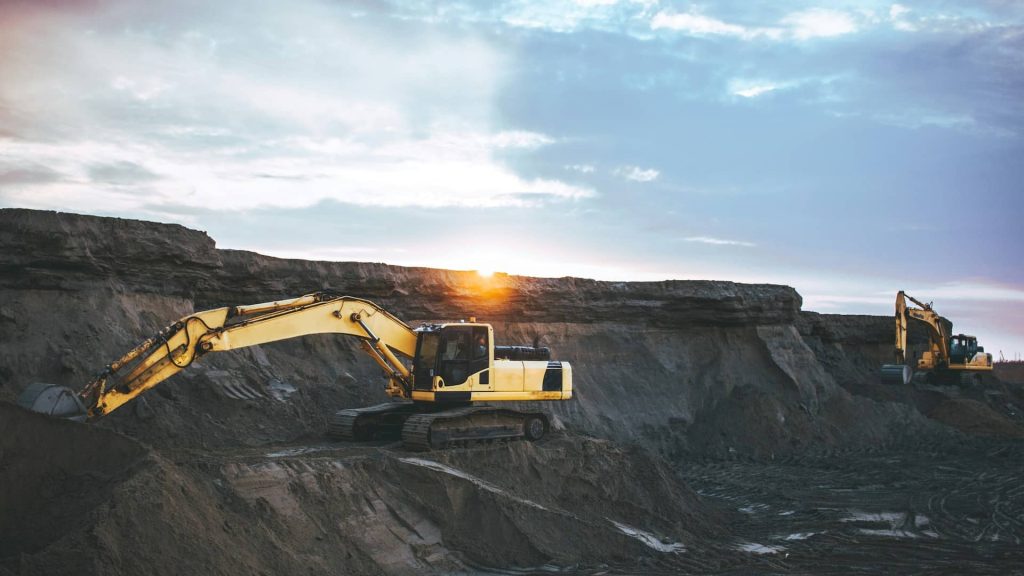
Factors Contributing to Europe’s Mining Sector Decline
Several factors have contributed to the slump in Europe’s mining sector over the past few decades. The decrease in coal mining, particularly as the continent shifted towards more sustainable energy sources, has been a primary driver. Traditional coal producers like Poland, Germany, Ukraine, and the Czech Republic have seen a significant drop in coal power generation since 2012, leading to the closure of numerous power plants and coal mines.
The advancement of the green transition has also diverted EU investment towards green projects and infrastructure, while fossil fuel investment has drastically reduced. The COVID-19 pandemic and Russia’s war in Ukraine further exacerbated the energy crisis in Europe, causing the closure of several smelters and negatively impacting energy-intensive metals such as aluminium and steel.
Moreover, Europe’s extensive red tape regarding mining licenses and approvals, which can take well over a decade compared to countries like China, has discouraged mining companies from relocating or increasing investments in the continent’s mining sector. Strict environmental and conservation laws, coupled with strong local opposition to new mines or expansions, have made it increasingly challenging for governments to approve new projects while maintaining their net zero 2030 goals.
Boosting Europe’s Mining Sector
The Critical Raw Materials Act is a decisive piece of legislation aimed at reducing red tape, increasing innovation, and exploring alternative materials to boost Europe’s domestic mining and rare earth mineral production. The act seeks to establish clearer and more stable frameworks for recycling and mining projects, streamline authorization channels, and provide economic incentives and support for small and medium enterprises (SMEs).
By setting ambitious recycling targets and focusing on waste reduction from the start, the act aims to lessen the demand for new mines. EU-funded projects like Susmagpro, which focused on recycling rare-earth magnets used in wind turbines, electronics, and electric car motors, demonstrate the continent’s commitment to developing a recycling supply chain for critical materials.
Establishing strategic partnerships with third countries is another key aspect of Europe’s strategy to revive its mining sector. These partnerships can lead to significant foreign investment, knowledge sharing, and the attraction of highly skilled foreign labor.
Sustainable mining policies are also likely to be implemented to address environmental concerns and protests in countries such as Serbia, Spain, Sweden, and Germany. Experts emphasize the importance of taking proper care at the outset to ensure that Europe’s goal of becoming a climate-neutral continent through provisioning its own critical raw materials is not compromised.
Risks of Dependence on Foreign Supply
China’s global leadership in rare earth mineral production, accounting for about 60% of worldwide production, poses significant risks for Europe. The continent’s increased dependence on China leaves it vulnerable to price volatility, supply blockages, and the loss of competitiveness. Moreover, China can use its dominance in the rare earth minerals supply chain as a geopolitical negotiation or retaliation tool, as demonstrated by its 2010 ban on rare earth mineral exports to Japan due to a fishing disagreement.
Rising EU-China tensions, stemming from China’s support of Russia in the Ukraine war, aggression towards Taiwan, and concerns about data transparency and market access, further highlight the need for Europe to ramp up its domestic supply of rare earth minerals. As the situation may deteriorate, making it more difficult for Europe to access these critical resources from China, now is the opportune time for the continent to focus on reviving its mining sector and achieving greater self-sufficiency.