
Across the globe, mountains of mineral waste called tailings have accumulated from over a century of mining activities. These tailings often still contain valuable metals and minerals that were not able to be extracted using older technologies. As metal prices rise and extraction methods improve, reprocessing these historic tailings is becoming an increasingly attractive opportunity.
This is especially true for historic copper tailings. Improved mineral processing and hydrometallurgy technologies can now extract copper at higher efficiencies than was possible decades ago. Copper prices have also risen substantially in recent years, incentivizing new copper projects. Reprocessing old tailings can be done at lower costs and on faster timelines than greenfield mining projects.
Environmental Benefits
Reprocessing old tailings can also bring major environmental benefits. Tailings often contain sulfide minerals which can oxidize when exposed to air and water. This creates acidic drainage that releases metals and other contaminants into nearby soil and water bodies. Reprocessing removes sulfide-bearing minerals from tailings sites and allows proper rehabilitation of these areas.
Reprocessing initiatives are underway on historic copper tailings sites around the world, such as at the Aitik mine in northern Sweden. There, Boliden is reprocessing ~40 years worth of old tailings which still average 0.19% copper content. An estimated 33,000 tonnes of copper can be extracted. Reprocessing will allow remediation of the site’s tailings dams while capturing substantial metal value.
Easier Pathways for Development
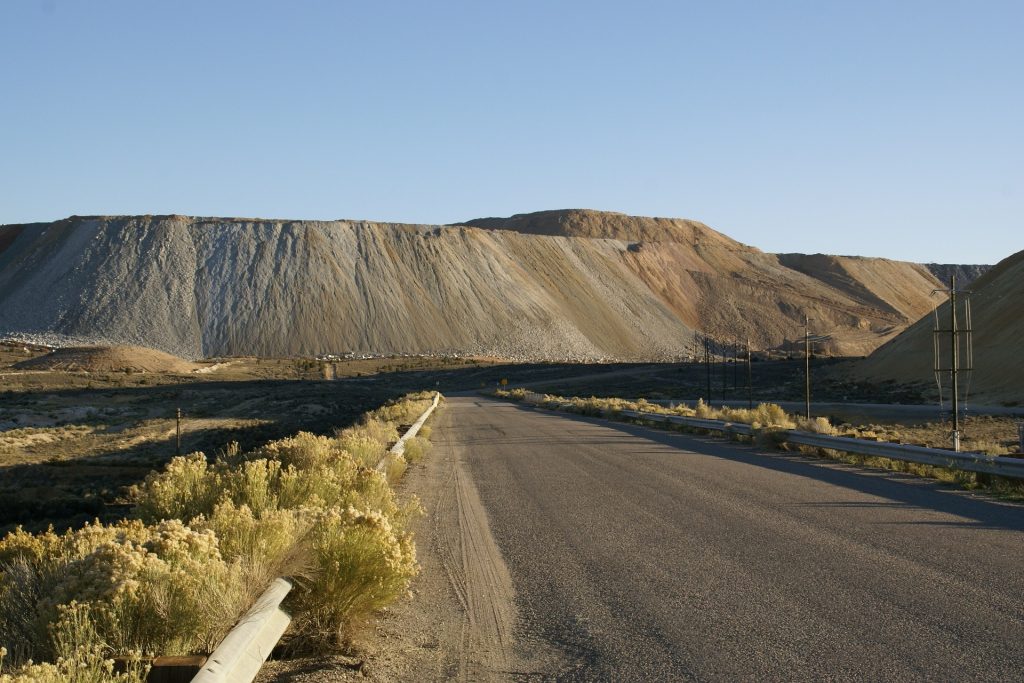
The technical aspects of reprocessing old tailings can also be simpler than greenfield projects. Historic sites already have extensive infrastructure in place, like service roads, power lines, and process facilities. The characteristics of tailings are understood from past operations, allowing straightforward planning and feasibility studies. Environmental review and permitting procedures may also be less intensive if facilities and disturbances already exist on site.
These advantages allow reprocessing projects to move rapidly from planning to production. Once decision gates are passed, tailings operations can often be up and running in 12 months or less. The shortened development timeline allows quicker capital recovery compared to new mine developments which often take over five years to build.
Major mining companies are recognizing these benefits and increasingly seeking out tailings reprocessing opportunities. Projects allow productive use of existing assets while cleaning legacy environmental issues. With today’s technology and metal prices, historic mine waste can be transformed into newfound profits. Reprocessing tailings checks both the economic and sustainability boxes for miners targeting the opportunities within waste.